When Can You Stop Watering Your Lawn and Shrubs in Fall in Atlantic County, NJ?
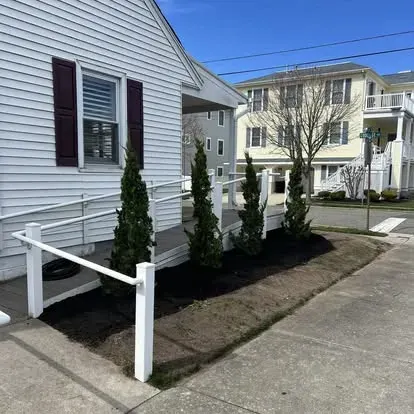
By mid-to-late October, Atlantic County mornings are cooler, the lawn is growing more slowly, and summer watering schedules usually need to change. That does not always mean the yard is finished using water. Grass can stay active during mild stretches, recently planted shrubs are still developing roots, and evergreens continue losing moisture through their needles even after deciduous plants begin dropping leaves. Properties around Egg Harbor City, Galloway, Mays Landing, Northfield, and the shore communities also dry at different rates because sun, wind, sandy soil, compacted fill, and drainage vary from one yard to the next. The practical approach is to stop watering by habit and start checking the soil. Water only where the root zone is becoming dry, then reduce and eventually stop as growth ends and the ground stays cold or frozen.
Does Cooler Fall Weather Mean You Can Stop Watering?
Not automatically. Cooler air and shorter days reduce evaporation, so a lawn or bed usually needs less water than it did in July. Fall rain may also carry much of the load. But a few dry, windy weeks can pull moisture from open lawns, raised beds, newly installed plants, and evergreens before winter. The condition of the soil matters more than the temperature at breakfast. Check several parts of the property because a sunny curb strip can be dry while a shaded backyard remains damp. If the soil below the surface is still cool and moist, wait. If it is dry through the active root zone and the ground is not frozen, a slow, thorough watering is more useful than a quick daily sprinkle.
How Can You Tell Whether the Lawn Still Needs Water?
Look at the grass and feel the soil before turning on a sprinkler. A lawn that needs water may grow more slowly, take on a dull blue-green or gray cast, or hold footprints after you walk across it because the blades are not springing back. Then push a screwdriver or narrow trowel into the ground in a few representative places. Dry, resistant soil near the surface and below it suggests the lawn may benefit from water; cool, damp soil means it can wait. Do not judge from the edge of the driveway alone. Pavement heat and reflected sun can dry one strip faster than the center of the yard, while low areas may stay wet long after the rest of the property is ready.
- Check sunny, shaded, high, and low areas instead of relying on one spot.
- Water only when the soil is drying and the grass shows signs of moisture stress.
- Use a slow application that soaks into the root zone instead of a short surface spray.
- Pause irrigation after meaningful rain and recheck the soil before the next cycle.
- Stop if water begins running across pavement, pooling in a low area, or washing mulch from a bed.
How Often Should an Established Lawn Be Watered in Fall?
There is no reliable Atlantic County schedule that works every week. Established turf should be watered according to soil moisture, rainfall, and visible stress rather than a fixed number of days. A deep application followed by time for the upper soil to begin drying encourages a stronger root zone than frequent shallow sprinkling. Sandy soil around parts of Egg Harbor City, Galloway, and the shore can drain faster, while compacted fill or a low Northfield yard may hold moisture much longer. As temperatures fall and growth slows, increase the time between checks and skip cycles the lawn no longer needs. When repeated inspections show that rainfall is keeping the soil moist and the grass has nearly stopped growing, routine irrigation can end for the season.
Does a Newly Seeded Lawn Need Different Fall Watering?
Yes. Seedlings have shallow roots and can dry out faster than established grass, so a lawn that was recently aerated and overseeded needs closer attention. During germination, the upper soil should stay evenly damp without becoming muddy or washing seed into low spots. Once most of the new grass is up and has been mowed, shift away from frequent light watering and begin soaking the soil more deeply with longer breaks between applications. Reduce foot traffic, keep leaves from matting over young grass, and avoid sharp mower turns on soft ground. Late October seeding has less time to establish before cold weather than an earlier fall job, so do not try to compensate with constant watering. Moisture helps only when soil temperature and daylight still support growth.
How Should Newly Planted Shrubs Be Watered Before Winter?
New shrubs deserve priority because their roots are still concentrated inside and immediately around the original root ball. Rain can wet the surrounding bed while the root ball remains dry, especially when water sheds off dense foliage or old mulch. Check the soil beside the root ball rather than looking only at the surface. When it is becoming dry, water slowly at the base so moisture has time to soak in instead of running toward the lawn or foundation. Continue checking through fall while the soil is workable. The goal is moist, aerated soil, not a permanently saturated planting hole. A shrub in a raised, windy bed may need attention sooner than the same plant in a protected, heavier soil.
Which Landscape Plants Need the Closest Fall Moisture Check?
Start with anything planted this year, then check evergreens, shallow-rooted plants, containers, raised beds, and shrubs exposed to steady wind. Evergreen foliage keeps losing moisture during winter weather even when roots are in cold soil, so dry conditions going into winter can add stress. Beds near white siding, pavement, retaining walls, and south- or west-facing exposures may also dry faster on sunny afternoons. At the same time, do not assume every plant needs extra water. Established deciduous shrubs in a naturally moist bed may need none beyond normal rainfall. Group plants by site conditions and installation date instead of running the same irrigation time across every zone.
- Check trees and shrubs planted during the current growing season first.
- Watch evergreens in open, sunny, or windy locations for dry soil around the root zone.
- Inspect raised beds, containers, and narrow foundation beds that lose moisture quickly.
- Reduce or skip water in low areas that remain damp after rain.
- Keep mulch loose and away from trunks and stems so the soil can be checked accurately.
Can Too Much Fall Water Damage the Lawn or Landscape?
Yes. Cooler soil dries more slowly, and an irrigation schedule left unchanged from summer can keep roots wet for too long. Saturated ground limits air around roots, makes lawns easier to rut, encourages mulch to move, and can reveal or worsen drainage problems. Watch for standing water, a sour smell, soft soil, green algae on shaded surfaces, or runoff that continues before the intended cycle is finished. Shorten the run time, divide a problem zone, or turn that zone off until the soil dries. If one area stays wet while another becomes dry, the answer is not more water across the whole property. The grading, sprinkler coverage, downspout discharge, soil, or plant placement may need separate attention.
What Time of Day Is Best for Fall Watering?
Early morning is usually the best fall watering window because wind is often lighter, less water is lost to daytime evaporation, and grass and plant surfaces have time to dry during the day. For hand-watering shrubs, morning also makes it easier to see where water is going without leaving paths or foliage wet through the evening. Do not water a frosted lawn, frozen soil, or ground so soft that walking and hoses will damage it. If a cold night is forecast, complete any needed watering early enough for paved areas and plant surfaces to drain before temperatures fall. The water belongs in the root zone, not on sidewalks, siding, or leaves.
When Should Hoses and Irrigation Systems Be Shut Down?
End routine irrigation when the lawn has essentially stopped growing, repeated soil checks show that rain is maintaining moisture, and freezing weather makes the system vulnerable. Do not wait for a damaged hose bib, backflow device, sprinkler head, or exposed line to make the decision. Follow the equipment manufacturer's winterizing instructions and use a qualified irrigation professional when compressed-air blowout or system-specific service is required. A drained garden hose can still be connected temporarily on a mild day if a new shrub needs water and the soil is not frozen, but disconnect and drain it again afterward. Winterizing the system does not mean ignoring the landscape; it means switching from automatic scheduling to occasional soil checks when conditions are dry.
What Affects the Scope of Fall Watering and Landscape Care?
Property size is only one factor. Soil texture, slope, shade, wind, drainage, irrigation coverage, plant age, and the amount of recent rain all change the plan. A sandy, open yard outside Egg Harbor City may dry faster than a compact Northfield property with mature shade and a low backyard. New seed and recent plantings need different attention from established turf and shrubs. Leaves can also hide sprinkler coverage, block drains, and hold moisture against grass. A walkthrough helps separate simple seasonal adjustments from broken irrigation, poor grading, compacted soil, and beds that need cleanup or mulch correction before winter.
How Can Tree Frog Help With Fall Lawn and Landscape Care?
Tree Frog Lawn & Landscape provides lawn maintenance, landscaping, mulch, core aeration and overseeding, and tree, brush, junk, and yard-debris removal from its Egg Harbor City base throughout Atlantic County. We can check the condition of lawns and beds, clear leaves and debris that interfere with drainage, maintain late-season growth, and help prepare planted areas for winter. Our team is licensed and insured. Call (609) 369-4314 or use the quote form for a free estimate within 24 hours.
Related from Tree Frog
Ready to Make Your Yard Look Amazing?
Fill out the 60-second quote form and we'll send you a free, no-pressure estimate within 24 hours.